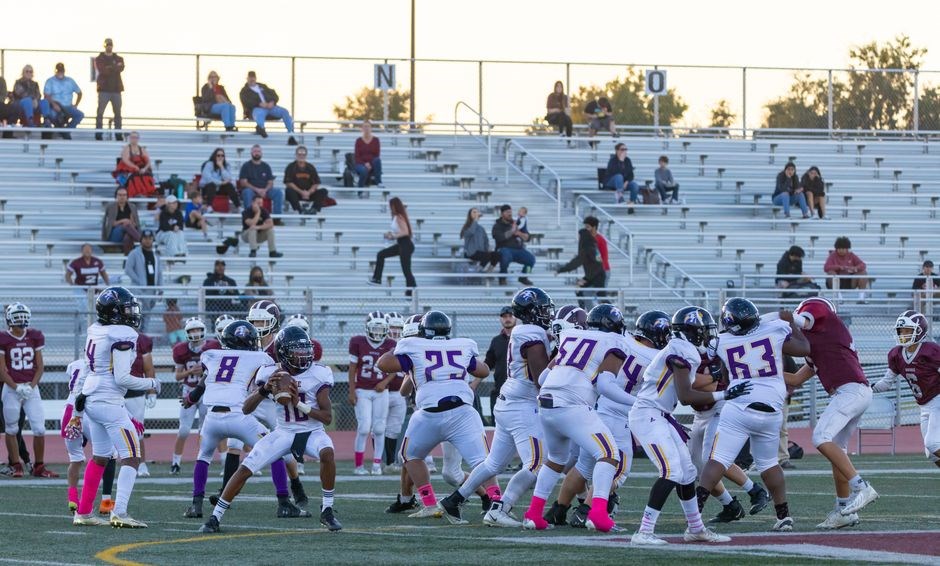
Overview of Spread Offense Playbook PDFs
Spread offense playbook PDFs offer digital, searchable formats that streamline coaching․ They feature play diagrams, defensive matchups (5‑3, 4‑4), and position groupings․ Coaches can quickly reference play counts, formations, and situational strategies, enhancing practice efficiency․ Coaches can tailor plays․!!
1․1 Definition and Digital Format Benefits
Spread offense playbook PDFs are digital compilations of offensive schemes that emphasize spacing, quick reads, and versatile formations․ They typically contain over a hundred play diagrams, each annotated with blocking assignments, route trees, and defensive matchups such as 5‑3 and 4‑4․ The PDF format, often produced in Adobe Acrobat, offers several advantages: it is platform‑agnostic, allowing coaches to view the same layout on Windows, macOS, iOS, or Android devices; it preserves the integrity of diagrams and text, preventing layout shifts that can occur in word processors; it supports hyperlinks and bookmarks, enabling rapid navigation between sections like “Defensive Recognition” or “Goal‑Line Packages”; it is searchable, so coaches can locate a specific play or keyword instantly; and it can be annotated digitally, letting users highlight, comment, or add notes directly on the play sheet․ Moreover, PDFs are lightweight, easy to email or upload to cloud storage, and can be printed in high resolution for field use․ These features make spread offense playbooks accessible to youth, high‑school, and college programs alike, fostering consistent coaching across different venues and schedules․
Because PDFs can be compressed without losing quality, a single file may contain dozens of pages yet remain under a few megabytes, making it ideal for mobile coaching sessions․ The format supports layering, so a coach can overlay a secondary diagram to illustrate a defensive shift or a blocking adjustment without creating a new document․ Many PDF readers offer cloud‑based annotation tools, enabling a head coach to review a playbook remotely, suggest changes, and have those updates instantly reflected for all team members․!!
Wildcat Multi Spread Offense Playbook for Youth Football
Designed for ages 6‑16, this PDF features 100+ plays diagrammed against 5‑3 and 4‑4 defenses․ It blends running concepts with spread formations, offering clear route trees, blocking schemes, and defensive match‑up charts for coaches to deploy quickly․!!!
2․1 Play Count and Defensive Matchups (5‑3, 4‑4)
In the Wildcat Multi Spread Offense Playbook for Youth Football, the play count is meticulously organized to align with the two most common defensive alignments: 5‑3 and 4‑4․ Each play is labeled with a unique identifier that includes a short mnemonic describing the primary action (e․g․, “RB‑S‑L” for a running back sweep left)․ The play count system is designed to be intuitive for coaches and players alike, allowing quick reference during practice and game situations․ For the 5‑3 defense, which features five defensive linemen and three linebackers, the playbook emphasizes zone coverage reads, quick-hitting slants, and power‑run concepts that exploit the single‑gap gaps on the line․ The 5‑3 defensive front often forces the offense to read the middle gap and adjust the ball‑carrier’s path accordingly․ In contrast, the 4‑4 defense, with four linemen and four linebackers, presents a more balanced front that can shift between gap control and blitz․ The playbook provides specific adjustments for the 4‑4 front, such as shifting the tight end to the inside for a “tight‑end‑pull” run or using a “double‑back” pass‑rush to create space for a quick‑pass route․ Each play diagram includes a defensive matchup chart that highlights the key defenders in the 5‑3 or 4‑4 front, indicating where the ball carrier should aim to create separation․ The charts also show the defensive backs’ coverage responsibilities, enabling the offense to plan routes that exploit open lanes․ Additionally, the play count system incorporates situational tags (e․g․, “SP” for short pass, “LP” for long pass, “R” for run) to help coaches quickly identify the type of play needed in various down‑and‑distance scenarios․ This systematic approach ensures that the playbook remains a practical tool for both in‑season adjustments and pre‑season preparation, allowing coaches to drill specific match‑up concepts and refine execution on the field․ The combination of clear play counts, defensive matchup charts, and situational tags makes the Wildcat Multi Spread Offense Playbook a comprehensive resource for youth teams looking to master the fundamentals of spread offense against the most prevalent defensive formations in modern high‑school and youth football․
Youth Spread Offense Playbook PDF Resources
Youth spread offense playbook PDFs provide free, downloadable resources featuring play diagrams, position charts, and defensive matchups․ Coaches can access PDF files online, view play counts, and download practice plans to enhance training efficiency․ The PDFs also include drill instructions and printable worksheets for all OK
3․1 Position Identification and Personnel Groupings
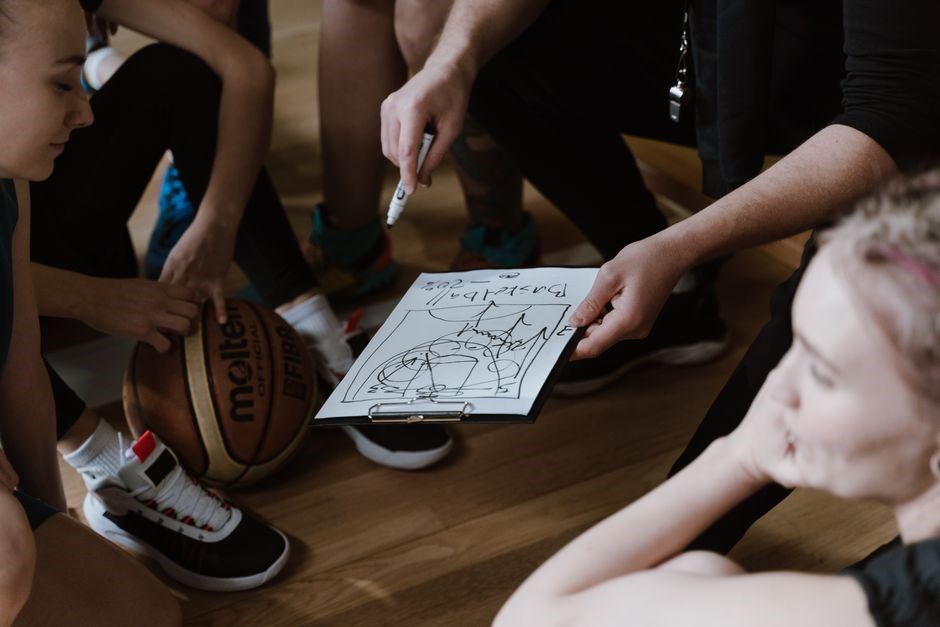
Position identification is the cornerstone of a spread offense playbook PDF․ Coaches label each role—quarterback, running back, fullback, tight end, wide receiver, defensive line—with distinct symbols or colors, then assemble them into formations that match the desired offensive balance․ A 12‑man set may feature a 2‑wide‑out with a single tight end and a fullback; a 10‑man set drops the fullback for an extra receiver․ The PDF format allows quick toggling between formations, letting coaches compare how adding or removing a player affects blocking schemes and pass routes․ Each grouping is annotated with play‑count numbers, defensive matchup notes, and key blocking assignments․ The PDF’s search function locates a particular grouping—such as a 4‑wide‑out or a 3‑tight‑end set—in seconds, saving valuable sideline time․ This systematic approach is essential for executing a spread offense that adapts to various defensive schemes while maximizing player strengths․
Coaches also use the PDF to illustrate how shifting a tight end to a slot position creates mismatches against linebackers or defensive backs․ Visualizing the shift shows new angles and coverage responsibilities․ Side‑by‑side diagrams display the same play in two different personnel groupings, highlighting changes in route trees and blocking assignments․ This visual comparison reinforces the spread offense as a flexible framework that can be molded to exploit defensive weaknesses․ During practice, the PDF’s interactive features—such as clickable play lists—allow the offensive coordinator to drill specific groupings in isolation before integrating them into full‑team sessions․ The result is a well‑prepared unit that can seamlessly transition between a 12‑man, 10‑man, or 8‑man attack, keeping defenses guessing and maximizing offensive production
It also supports quick drill planning
South Carroll Cavaliers High School Spread Offense Playbook
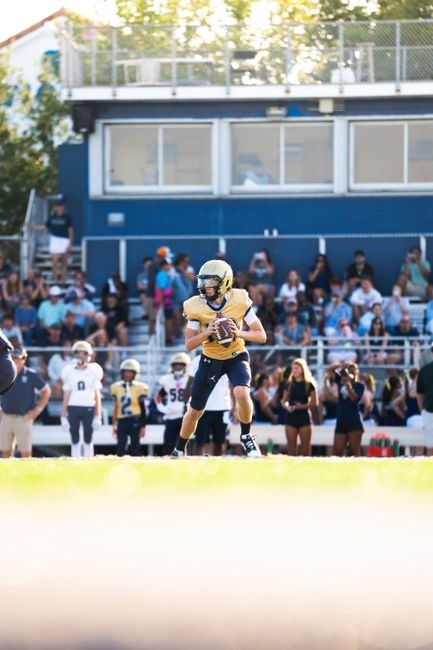
The South Carroll Cavaliers PDF covers defensive recognition, offensive mechanics, formations, situational play, running and passing strategies, advanced routes,and goal‑line tactics, sharpening high‑school athletes’ execution and adaptability now․
4․1 Defensive Recognition and Offensive Mechanics Sections
South Carroll’s spread offense playbook PDF dedicates a comprehensive section to defensive recognition and offensive mechanics, providing high‑school coaches with a clear, actionable framework․ Defensive recognition begins with a systematic breakdown of common alignments—5‑3, 4‑4, and 3‑4—highlighting key defensive backs’ responsibilities, linebacker gaps, and defensive line stances․ Each alignment is paired with visual diagrams that illustrate how to identify blitz packages, stunts, and coverage variations such as man‑to‑man, zone, and hybrid schemes․ Coaches can quickly reference these diagrams to anticipate defensive adjustments before the snap, enabling the offense to shift formations or route concepts on the fly․ The offensive mechanics portion focuses on the fundamentals that underpin every spread play․ It covers the quarterback’s stance, drop‑back timing, and pocket movement, emphasizing how these elements affect pass protection and decision‑making․ Running backs receive detailed guidance on footwork, vision drills, and pass‑blocking techniques that allow them to exploit defensive gaps․ Wide receivers are taught route precision, release timing, and how to read defensive coverage to create separation․ Tight ends receive dual‑role instructions, balancing blocking responsibilities with route running․ The section also addresses blocking schemes for the offensive line, including zone blocking, power blocking, and hybrid techniques that adapt to defensive fronts․ By mastering these mechanics, players can execute plays with consistency, reduce penalties, and maintain rhythm throughout the game․ Furthermore, the playbook integrates situational awareness drills that simulate red‑zone, goal‑line, and third‑and‑short scenarios․ Coaches are provided with step‑by‑step instructions on how to adjust blocking angles, route trees, and timing routes to counter specific defensive looks․ The mechanics section also includes video references and motion‑graphic overlays that demonstrate proper foot placement, hand placement, and body positioning during both run and pass plays․ By incorporating these visual aids, players can internalize the mechanics through repetition and muscle memory, leading to smoother execution under pressure; In addition, the PDF offers a checklist for pre‑game preparation, ensuring that each player reviews the defensive recognition charts and mechanics drills before the first play․ This systematic approach fosters a disciplined mindset and promotes accountability․ Coaches can track progress by marking completed drills and noting areas that require further emphasis․ The combination of detailed diagrams, practical drills, and strategic insights makes the defensive recognition and offensive mechanics sections an indispensable resource for any high‑school program aiming to elevate its spread offense performance․

Brad Underwood Spread Offense Playbook
Brad Underwood’s PDF offers a structured playbook: Continuity sequences, Entry routes, Breakdown analysis, Drills for skill refinement, and Counter plays to counter defenses․ It guides coaches through setup, execution, and adjustments for a dynamic spread offense․!!
5․1 Continuity, Entries, Breakdowns, Drills, Counters
Continuity is the backbone of a spread offense, ensuring that each play flows logically from the previous one, creating rhythm and predictability for the offense while keeping defenses guessing․ In Brad Underwood’s playbook, continuity is broken into three primary phases: the pre‑snap alignment, the play‑action execution, and the post‑play adjustment․ Each phase is meticulously diagrammed, with clear arrows indicating player movement and timing cues․ Entries are the routes that receivers run to create separation; they are categorized into quick slants, deep posts, and out‑routes, each designed to exploit specific defensive gaps․ The playbook provides a matrix of entry combinations for every formation, allowing coaches to mix and match based on personnel and defensive coverage․ Breakdowns are analytical sections that dissect how a defense might react to each entry set․ They include coverage maps, defensive tendencies, and suggested adjustments․ Drills are practical applications that reinforce continuity and entry concepts․ For example, a “slant‑out” drill focuses on timing between the quarterback and the receiver, while a “post‑slide” drill emphasizes footwork and separation․ Counters are the offense’s response to defensive shifts or blitzes; the playbook lists counter‑play options for each defensive alignment, complete with timing diagrams and blocking schemes․ By integrating continuity, entries, breakdowns, drills, and counters, the playbook equips coaches with a comprehensive toolkit to develop a versatile, resilient spread offense that can adapt to any defensive strategy․ The emphasis on continuity ensures that the offensive line’s blocking assignments are synchronized with the backfield’s motion, creating lanes for the running game and openings for the passing attack․ Entries are not merely routes; they are tactical weapons that, when executed with precision, can force a defender to make a split‑second decision, often resulting in a turnover or a big gain․ Breakdowns provide the analytical backbone, allowing coaches to anticipate defensive reactions and pre‑emptively adjust blocking or route adjustments․ Drills are designed to build muscle memory, ensuring that players can perform under pressure․ Counters, meanwhile, act as a safety net, offering alternative plays that can be deployed when the defense over‑commits or misaligns․ Together, these elements form a cohesive system that can be taught, practiced, and executed with confidence, giving teams a competitive edge in the modern game of football․ Additionally, the playbook includes video links and interactive diagrams that allow players to visualize the flow of each play, reinforcing learning and reducing the learning curve during practice sessions․ Coaches can also customize the playbook by adding their own notes, adjusting play counts, and tailoring the continuity sequences to fit their team’s strengths, ensuring that the spread offense remains flexible and adaptable throughout the season․
Stephen F Austin Youth Spread Offense Guide PDF
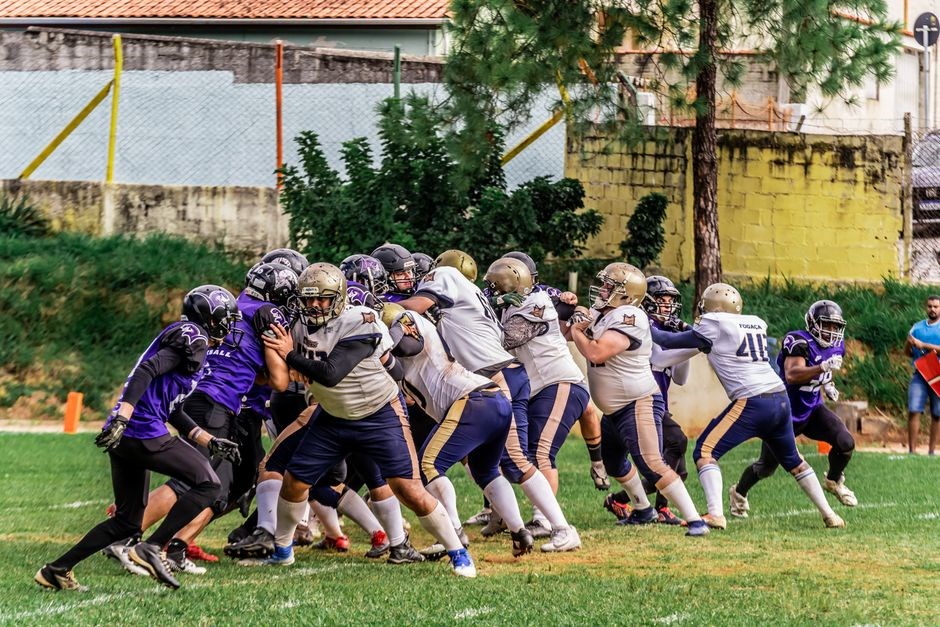
The guide offers a concise overview of the HHP team’s primary spread offense, detailing formations, play concepts, and strategic adjustments․ It compares shotgun versus under‑center running plays, emphasizing timing, blocking, and route precision for youth athletes․ This PDF includes charts and video links for visual learning․
6․1 Shotgun vs․ Under Center Play Comparison
Shotgun formations place the quarterback several yards behind the center, creating a natural backfield spacing that allows for quick handoffs, play‑action passes, and a broader field of vision for the QB․ This setup facilitates a rapid read of defensive fronts, especially when facing 5‑3 or 4‑4 alignments, and gives receivers more room to establish separation before the ball is snapped; The distance also enables the offensive line to execute longer blocking angles, supporting both the run and the pass more effectively․ In contrast, the under‑center format places the quarterback directly behind the center, which shortens the distance to the line of scrimmage and can lead to quicker ball delivery․ This is advantageous in short‑yardage situations or when the offense wants to maintain a more traditional, balanced look․ Under‑center play also allows for tighter protection schemes, as the line can collapse more quickly on defensive stunts․ However, the reduced spacing can limit the quarterback’s ability to read the defense from a distance, potentially slowing the decision‑making process․ When comparing the two, coaches often choose shotgun for its flexibility in creating space for receivers and its ability to disguise play‑action, while under‑center is selected for its simplicity in executing power runs and for situations requiring a more immediate ball release․ The choice ultimately depends on the team’s personnel, the specific defensive matchup, and the desired offensive tempo․ Both formations are integral to a modern spread offense, and mastering the nuances of each can give a team a strategic edge in both the red zone and on open field plays․
Common Features in Spread Offense Playbooks
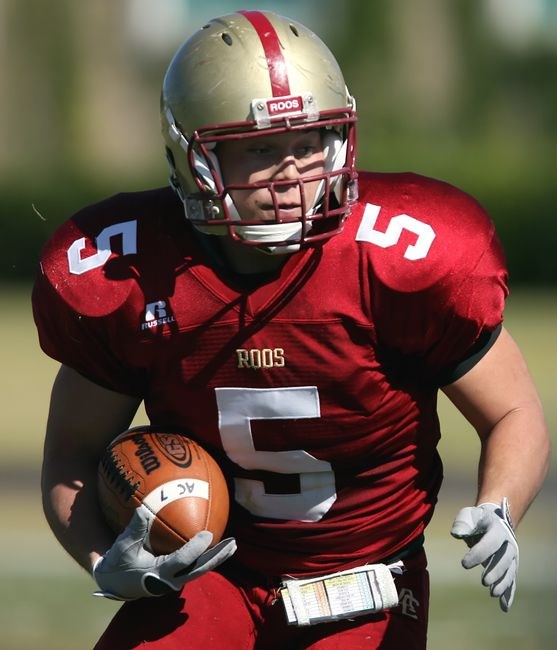
Spread playbooks feature clear diagrams, color‑coded routes, and concise play descriptions․ They emphasize situational play, including goal‑line and red‑zone packages, and provide defensive recognition charts․ Coaches can quickly reference formations, personnel groupings, and execution cues․ These tools improve coaching
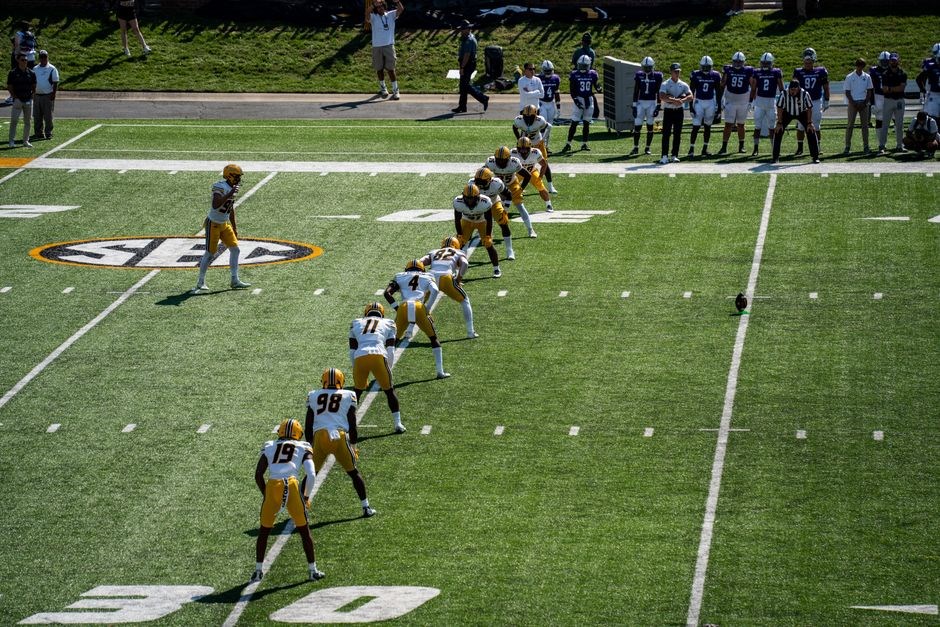
7․1 Diagrammatic Play Representation and Situational Offense (Goal Line, Red Zone)
In a spread offense playbook PDF, diagrammatic play representation is the cornerstone of effective coaching․ Each play is illustrated with a clear, color‑coded schematic that shows player positioning, route assignments, and blocking angles․ The diagrams use standardized symbols—such as arrows for routes, circles for ball carriers, and shaded areas for defensive coverage—to convey complex concepts in a single glance․ This visual clarity allows coaches to quickly review formations, adjust personnel groupings, and identify potential mismatches against the defense․
Situational offense, particularly in the goal‑line and red‑zone scenarios, is addressed with dedicated play packages that emphasize high‑percentage, short‑yardage gains․ The PDF includes a series of goal‑line plays that exploit defensive overcommitment, such as quick slants, vertical seams, and power runs through the middle․ Each play diagram is accompanied by a concise description of the intended blocking scheme, the key route concepts, and the timing cues for the quarterback․ This ensures that players can execute the play efficiently even under the pressure of a tight defensive line;
Red‑zone packages are designed to balance the spread’s pass‑heavy philosophy with the need for a robust rushing attack․ The playbook offers a mix of short‑pass routes—like the “hook‑and‑curl” and “out‑and‑back”—paired with power‑running options that create a balanced attack․ The diagrams highlight the optimal angles for receivers to create separation, while also indicating the blocking responsibilities of the offensive line and tight ends․ By presenting these plays in a single, cohesive diagram, coaches can quickly drill the concepts in practice and adapt them to the specific defensive alignment․
Another key feature of the PDF is the inclusion of situational charts that map out the most effective plays for various yardage thresholds․ For example, the playbook might list a 1‑yard goal‑line play, a 3‑yard red‑zone pass, and a 5‑yard run option, each with its own diagram and execution notes․ These charts help coaches make rapid decisions during games, ensuring that the offense remains unpredictable and difficult to defend․
The PDF also incorporates a “play‑by‑play” section that details the timing of each route and block․ This section uses a timeline format, indicating the exact moment a receiver releases, the quarterback’s dropback, and the snap count․ By aligning these elements in a visual timeline, coaches can fine‑tune the timing of each play, reducing the risk of miscommunication and increasing the likelihood of success in high‑stakes situations․
Finally, the playbook PDF offers a comparison of traditional goal‑line formations versus modern spread concepts․ It demonstrates how a conventional power run can be adapted into a spread framework by adding a quick‑pass option or a “triple option” element․ This hybrid approach allows teams to keep defenses guessing, as they must prepare for both a run and a pass from the same set of players․ The diagrams illustrate these hybrid concepts with dual arrows—one for the run path and another for the pass route—highlighting the versatility of the spread offense in critical red‑zone moments․